HÖRST
Ears blocked – what to do?
August 8, 2025
8 minutes reading time
OSKAR
Portable TV voice amplifier
Advertisement
Table of contents
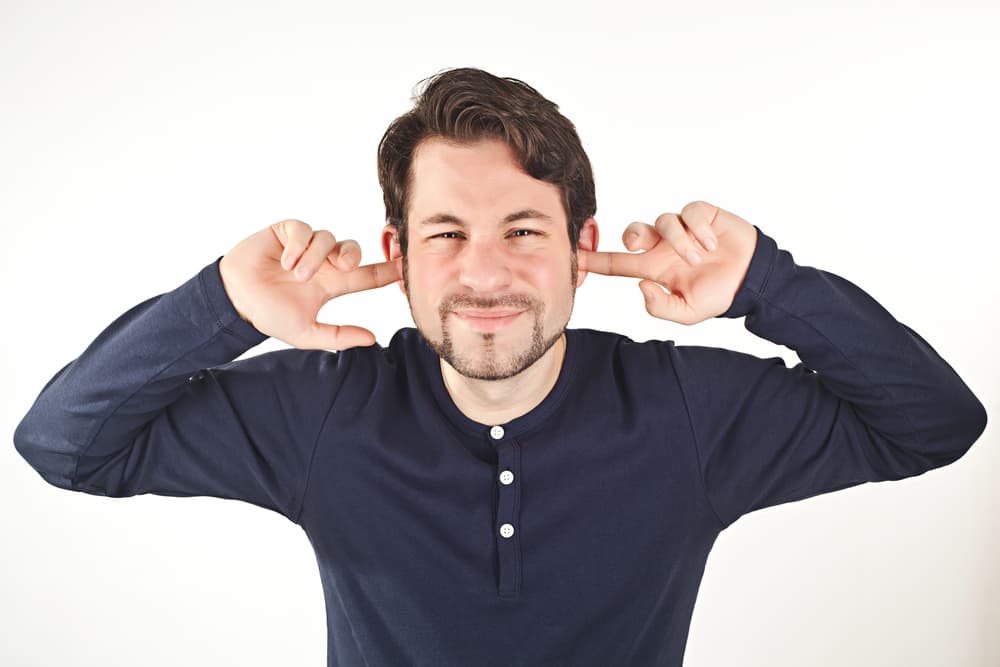
When your ears are "blocked," this can have a variety of causes and meanings. Physical causes such as earwax, water in the ear after swimming, or infections can create a feeling of pressure or numbness in the ear and make hearing difficult. For many people, it feels as if they have cotton wool in their ears. Pressure on the ear, for example when hiking in the mountains or flying in an airplane, can also cause the ears to feel "blocked."
There is therefore no clear definition; instead, if your ears are blocked, you should look for the causes.
Causes: Why are my ears blocked?
There are various reasons why your ears may feel blocked. These include blocked ears or the feeling of blocked ears and pressure on the ear.
- Pressure in the ears: Pressure in the ears or in one ear can feel as if the ears are blocked. The reason for ear pressure is usually a blocked Eustachian tube, also known as the auditory tube, for example due to earwax, infections, or equalization of altitude differences. This causes the eardrum to bulge and create pressure.
- Earwax: Although earwax is actually beneficial because it naturally transports dirt and bacteria out of our ears, too much earwax can cause the ears to become blocked.
- Foreign objects in the ear: If we suddenly hear worse on one side than on the other, a foreign object in the ear may be to blame. Children in particular can be curious and stick things such as beads, peas, or similar objects in their ears. In rare cases, insects and small animals can also cause our ears to become blocked. Foreign objects in the ear should be avoided at all costs, as they can cause injury to the inner or middle ear.
- Water in the ear: When swimming, bathing, or diving, water sometimes gets into the ear. Usually, it drains out of the ear on its own, but in some cases it can become trapped there, for example, if the water softens the earwax.
- Illnesses and ear diseases: Middle ear infections, ear canal infections, infections, but even a simple cold can cause the ears to be affected or "blocked," resulting in temporary hearing loss.
Allergies: Various allergies, such as pollen allergy, dust mite allergy, or an allergic reaction to animal hair, can cause blocked ears.
How long does it take for a blocked ear to clear up?
The question of how long it takes for earwax to clear up can only be answered on an individual basis. This is because various factors play a role, including, above all, the cause.
If it is water in the ear or pressure on the ear, for example due to altitude adjustment, the ear can often "open" again after a short time.
However, if it is a middle ear infection, the congestion may last for one to two weeks. In this case, it is often crucial whether and how the condition is treated.
Ears blocked – what to do? Tips and home remedies for blocked ears
The reasons for blocked ears can vary greatly, which is why there are also many different measures you can take yourself. Below, we have summarized a few tips and home remedies that can help in different situations when your ear is blocked, or to prevent your ear from becoming blocked.
- Proper ear hygiene: If you want to avoid ear blockages, it is essential to practice proper ear hygiene. This includes gently cleaning your ears and protecting them from water and dirt by wearing earplugs in water or dusty environments.
- Cleaning your ears: Regular, gentle cleaning of the ears and outer ear can also prevent them from becoming blocked. The emphasis here is on "gentle." Use a soft cloth or suitable cleaning products, but avoid using cotton swabs, as these can block the ear canal with earwax or cause injury.
- Protection against infections: Protect yourself against infections in general by keeping your ears dry and preventing water and dirt from entering them.
- Dealing with allergies: To prevent your allergy from causing ear congestion, it is important to avoid allergy-triggering substances and take antihistamines if necessary.
- Equalizing pressure: If you feel like your ear is blocked, it could be ear pressure. In this case, equalizing the pressure can help, for example by yawning, chewing, or using the Valsalva method.
- Never put foreign objects in your ear: Even if you feel an itch in your inner ear, remember: never scratch with an object to avoid injuring the ear canal, eardrum, etc. Also, take special care to ensure that your children do not put foreign objects in their ears. Signs of this could include the child complaining of earache or hearing loss.
Live healthily: As in almost all areas, the same applies to your ears: a healthy lifestyle, plenty of exercise, and a balanced diet can help promote your health.

Ears: When should you see a doctor?
If your ears are blocked, this does not always have a serious cause. Often, the reasons are harmless, and the symptoms disappear on their own after a short time.
However, there are also situations in which a visit to the doctor is necessary. Here are some cases in which you should seek medical advice:
- Ear pain: Persistent ear pain is always a reason to visit your ENT doctor, as it can be a sign of inflammation or ear disease.
- Fever: Fever , especially persistent or very high fever, is always a reason to consult a doctor. In combination with a blocked ear, fever could indicate an infection or, for example, middle ear inflammation.
- Dizziness or balance problems: You should also seek medical help if you experience dizziness, positional vertigo, or balance problems. These symptoms may indicate injuries or problems in the inner ear.
- Hearing loss: If you notice that your hearing loss is not going away or is even getting worse, or if you experience hearing loss, this is also a reason to visit an ear, nose, and throat doctor.
- Persistent blockage: If the blockage in your ear does not clear up on its own after a few days and none of the measures you can take yourself have helped, it is advisable to seek medical assistance.
- Pressure sensation: Ear pressure can have various causes, ranging from illness and altitude equalization to blocked ears. If the pressure sensation does not disappear after a while and even after measures such as yawning and chewing, you should consult a doctor to clarify the causes and treatment.
Fluid discharge from the ear: If fluids such as blood or pus are coming out of the ear, this may be a sign of a possible disease or injury to the inner ear. In this case, you should also seek urgent medical advice.
What does the doctor do for blocked ears?
If the blockage in your ear does not clear up on its own and the tips and home remedies do not help, you will need to see an ear, nose, and throat doctor. They have various options and tools for cleaning or treating the blockage. The ENT doctor can perform the following treatments:
- Professional ear cleaning: Professional ear cleaning can involve ear irrigation, for example. The doctor flushes the ear or ear canal using an ear syringe and a liquid to loosen and rinse out the earwax plug. Alternatively, the doctor uses special instruments to remove the earwax manually. In some cases, this also includes a suction device that carefully removes the cerumen from the ear.
- Medication: If the ear is inflamed and earache occurs, medication is sometimes necessary. This is determined by the doctor based on the respective diagnosis.
Surgery: If your ears frequently become blocked with earwax, for example because your ear canal is too narrow, surgery to widen the ear canal may be helpful.
Important: These treatments should only be performed by doctors. Never attempt to remove the blockage yourself using any objects or sharp instruments, as this could potentially injure your ear.
Further articles

Healthy candy alternatives for seniors
For many people, craving sweets is part of everyday life. However, traditional sweets often contain large amounts of sugar and provide

Cooking together in old age
As we get older, our everyday lives change in many ways. The children have left home, our partner may be

Protein-rich nutrition in old age
As we age, our bodies change in many ways, and nutrition plays a crucial role in our health.