HÖRST
Side effects of hearing aids
October 8, 2025
4 minutes reading time
OSKAR
Portable TV voice amplifier
Advertisement
Table of contents
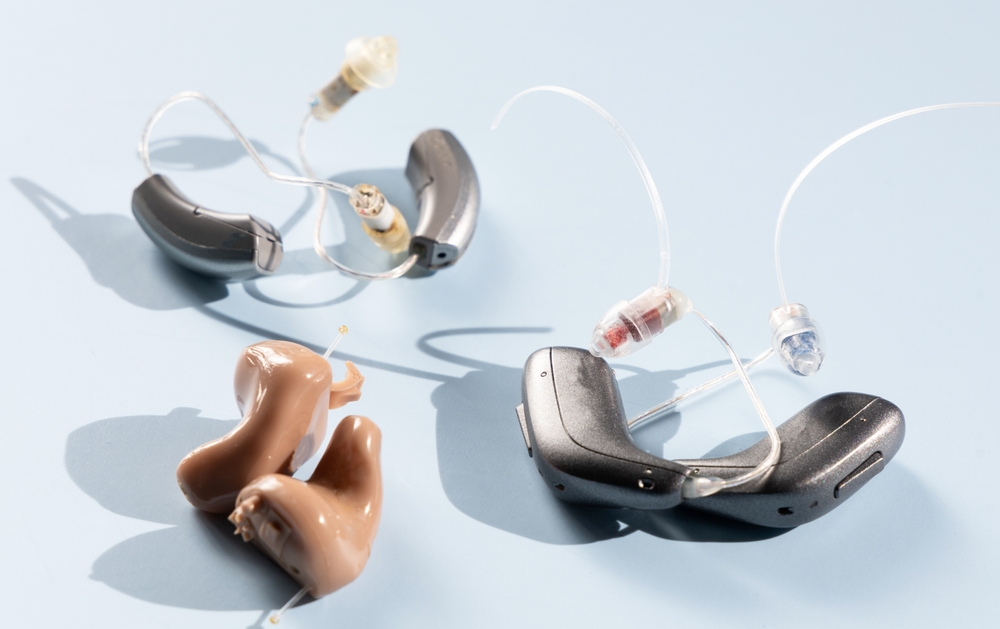
If you or someone you know uses or wants to use hearing aids, you may have wondered whether there are any side effects to be aware of. Hearing aids are sophisticated medical devices that help people with hearing loss to hear better again. However, as with many technological aids, there can be side effects. In this article, you will learn everything you need to know about the possible side effects of hearing aids.
Possible side effects of hearing aids
As with many medical devices, hearing aids can also have certain side effects. These can vary depending on how long and how often the device is worn, as well as the type of hearing aid used. The most common side effects associated with hearing aids include the following:
Earache and pressure
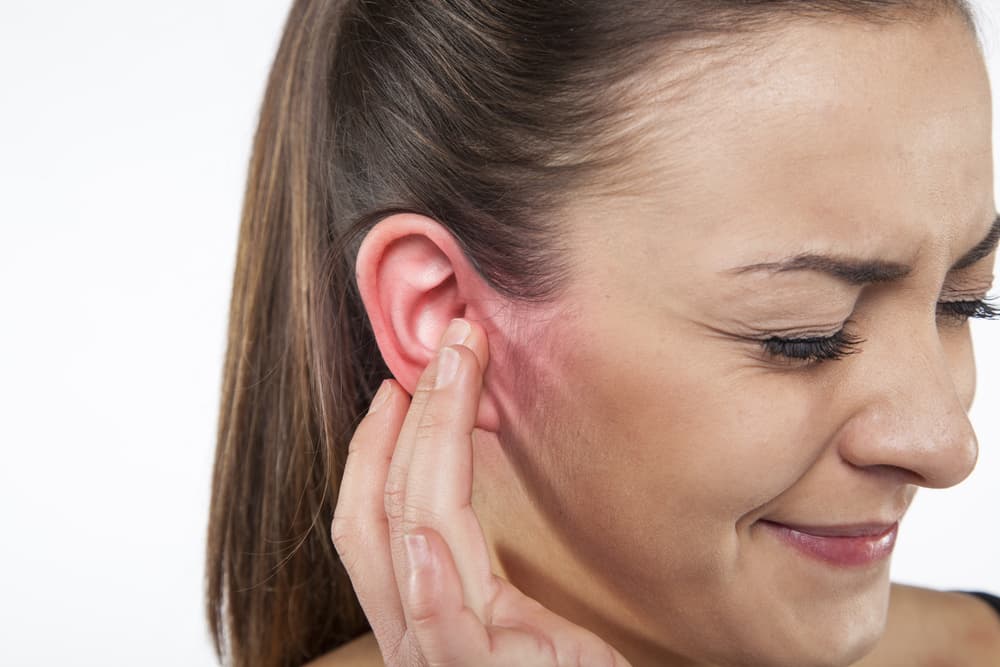
Many hearing aid users report ear pain or an uncomfortable feeling of pressure in the ear. This may be due to incorrect fitting of the hearing aid. If the hearing aid does not fit perfectly in the ear canal, it can cause irritation or pain. It is therefore important to visit a hearing care professional regularly to ensure that the device fits properly and does not cause discomfort.
Skin irritation and inflammation
Another common problem is skin irritation or even inflammation around the ear. This can be caused by the material of the hearing aid or by an allergic reaction to the device. In such cases, a hearing care professional can help by recommending a different model or hypoallergenic materials.
Tinnitus and noise amplification
Some people who use hearing aids report that their tinnitus worsens or that they experience unpleasant noise amplification. This can occur especially if the hearing aid is set too loud. An ENT doctor or hearing care professional can help in such cases by readjusting the device to minimize these side effects.
Dizziness and balance disorders
Dizziness and balance problems can also be side effects of hearing aids. These symptoms can occur when the brain adapts to the amplified sounds perceived by the hearing system. In some cases, this may also be due to a malfunction of the inner ear. If this occurs, it is advisable to consult a doctor to determine the cause.
Headaches and fatigue
Wearing a hearing aid all the time can cause headaches or fatigue in some users. These symptoms often occur when the brain is overwhelmed by processing the amplified sounds. Regular adjustments to the device by a specialist can help reduce these side effects.
Tips for avoiding side effects from hearing aids
If you notice any side effects from your hearing aid, there are a few things you can do to minimize them:
- Regular checkups and adjustments: Visit your hearing care professional regularly to ensure that your device is properly adjusted and fits perfectly. Regular checkups can help prevent many of the side effects mentioned above.
- Choosing the right device: There are many different types of hearing aids and hearing systems, and not every device is suitable for everyone. Work closely with your hearing care professional to select the right hearing system for your specific needs. This can help minimize potential side effects.
- Proper care and hygiene: Ensure that your hearing aid is clean and in good condition. Improper care can lead to skin irritation and other problems. Use suitable cleaning agents and follow the care instructions provided by your hearing aid manufacturer.
Slow acclimatization: When using a hearing aid for the first time, it is important to get used to the device slowly. Start by wearing the device for short periods of time and gradually increase the wearing time. This can help to avoid side effects such as headaches or fatigue.
When you should see a doctor
Although most side effects of hearing aids are mild and temporary, there are situations in which you should consult a doctor. If you experience severe pain, persistent dizziness, significant skin irritation around the ear, or other serious symptoms, do not hesitate to seek medical advice. In some cases, adjustment of the device or medical treatment may be necessary to alleviate the symptoms.
Further articles

Healthy candy alternatives for seniors
For many people, craving sweets is part of everyday life. However, traditional sweets often contain large amounts of sugar and provide

Cooking together in old age
As we get older, our everyday lives change in many ways. The children have left home, our partner may be

Protein-rich nutrition in old age
As we age, our bodies change in many ways, and nutrition plays a crucial role in our health.