HÖRST
10 facts about hearing
October 29, 2025
5 minutes reading time

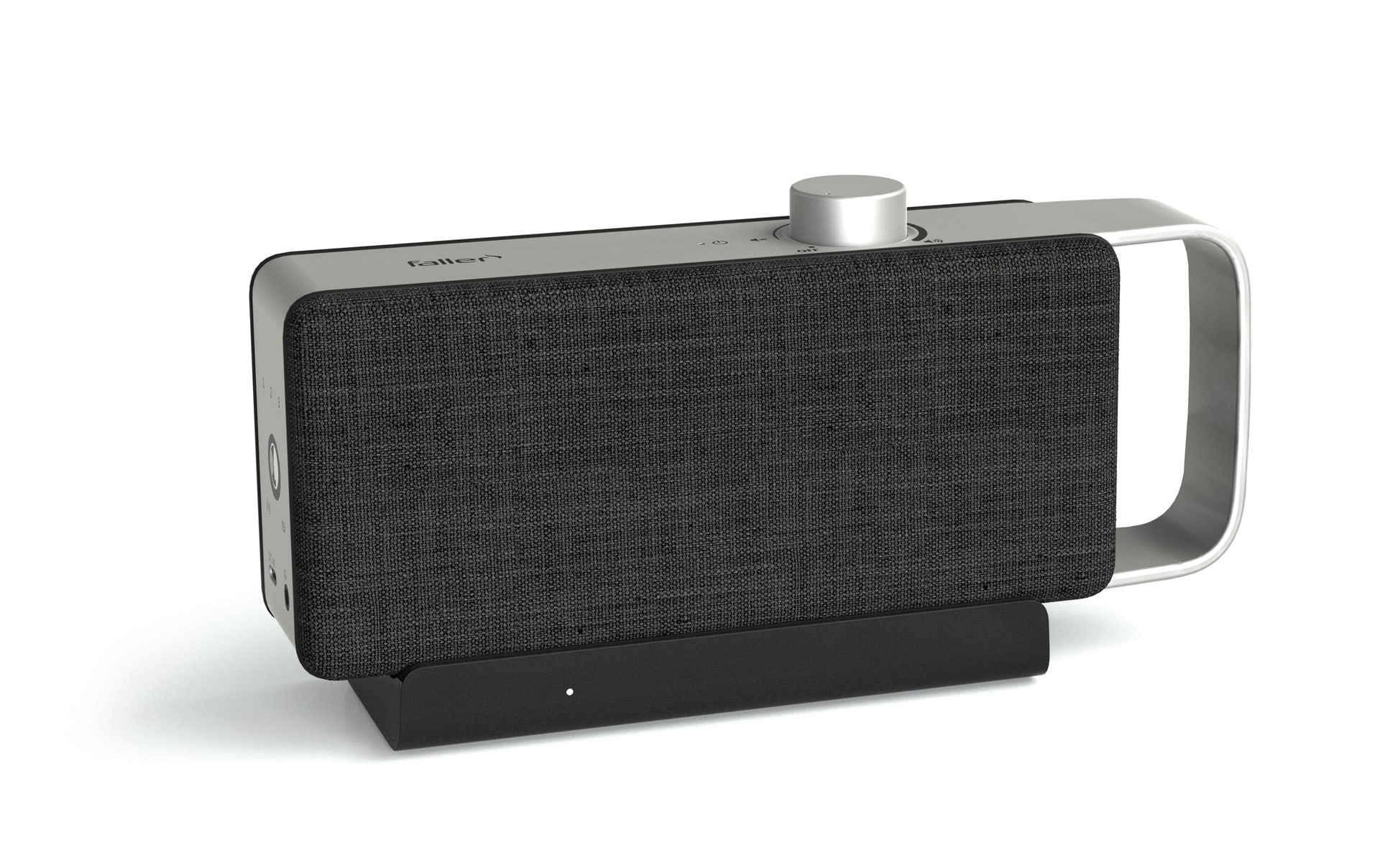
OSKAR
Portable TV voice amplifier
Advertisement
Table of contents
10 things about hearing that you probably didn't know
The world of hearing is complex and fascinating, and our hearing is a sensitive and intriguing sensory organ. In this article, we want to give you a little insight and present 10 exciting and sometimes unbelievable facts about hearing, hearing loss, and hearing that you probably didn't know before.
1. Women hear better than men
The question of which gender hears better has long been a topic of research. And you're probably interested in the answer too. So here it is: women actually hear better. Several scientific studies have shown that men are more likely to suffer from hearing problems or hearing loss. And hearing ability between the ages of 30 and 50 also declines more rapidly in men than in women. Various factors are believed to be responsible for this. These include a healthy lifestyle, which is more common among women, noisy working environments, to which men are more frequently exposed, and female hormones, which are thought to have a positive effect on hearing.
2. There are 1 billion people worldwide with hearing loss.
In 2021, the World Health Organization (WHO) published the results of its "World report on hearing," the first global study on hearing loss. In it, the WHO highlighted that more than 1.5 billion people currently suffer from some degree of hearing loss. According to the WHO, this number could rise to 2.5 billion by 2050. The organization also estimates that more than 400 million people, including 34 million children, live with a hearing impairment that affects their health and quality of life.

3. There is a "World Hearing Day."
Hearing loss can affect anyone. Unfortunately, most people still know very little about it.
In order to raise awareness of this important issue, the WHO launchedWorld Hearing Dayin 2007. Since then, this day of action has been held once a year on March 3, offering anyone interested the opportunity to find out more about the topic and seek help.
4. Sign language has dialects
When someone from Bavaria and someone from East Frisia chat, it can happen that one doesn't understand what the other is saying. The obvious reason for this is the different dialects or regional language habits in Germany. By the way, deaf people have the same problem, because just like in spoken language, there are also regional differences in German Sign Language (DGS). Certain signs can have different meanings or be performed differently depending on the region.
5. Tinnitus is not a disease
Contrary to what many people believe,tinnitusis not a disease, but rather a symptom in which sufferers perceive noises, known as phantom noises. The reasons for this can vary greatly, for example age, excessive noise exposure, or illness.
And did you know that people with tinnitus don't always hear a "whistling" sound? The noises in the ear range from buzzing to hissing and ringing to clicking or the perception of music.
6. Earwax is great
Many people findearwaxdisgusting. However, cerumen, as it is known in medical terms, actually has many great properties. When we chew and talk, earwax is pushed out of our ears, taking dirt and bacteria with it. This means that our ears clean themselves, so to speak. Earwax also keeps our ear canals supple and prevents the skin in our ears from drying out.

7. There is a link between hearing loss and dementia.
Hearing loss can have various psychological and health consequences. Among other things, it is believed that hearing loss also leads to changes in the brain. The reasons for this are thought to be the concentration and effort that those affected have to exert in order not to miss information. This constant strain has a negative impact on other brain functions. For example, it increases the risk of developingdementia.
8. We all use the cocktail party effect
Anyone who has ever been to a party knows that music, laughter, and lots of conversations create an enormous amount of noise. But despite this, we can still concentrate on what the person we are talking to is saying.
Our hearing and our brain are therefore able to focus on certain sounds while simultaneously blocking out background noise. This ability is also known as the "cocktail party effect."
9. Sign language as a native language
More than 90 percent of children of deaf parents can hear themselves. But since we learn to speak primarily from our parents, these children often learn sign language as their mother tongue and spoken language only later.
Conversely, hearing parents who have a deaf child must quickly learn sign language in order to communicate with their child and support them.
10. TV hearing amplifiers with speech optimization help you understand television again
Technical progress has brought us many great achievements in recent years. Today, people with hearing problems can also benefit from many technical aids such as hearing aids, special telephones for the hard of hearing, and, last but not least, TV hearing amplifiers such as theOSKARfrom faller audio. Unlike normal TV speakers, OSKAR features special speech optimization that amplifies speech on television and reduces background noise.
Further articles

Healthy candy alternatives for seniors
For many people, craving sweets is part of everyday life. However, traditional sweets often contain large amounts of sugar and provide

Cooking together in old age
As we get older, our everyday lives change in many ways. The children have left home, our partner may be

Protein-rich nutrition in old age
As we age, our bodies change in many ways, and nutrition plays a crucial role in our health.