HÖRST
Hearing loss in old age
August 8, 2025
7 minutes reading time
OSKAR
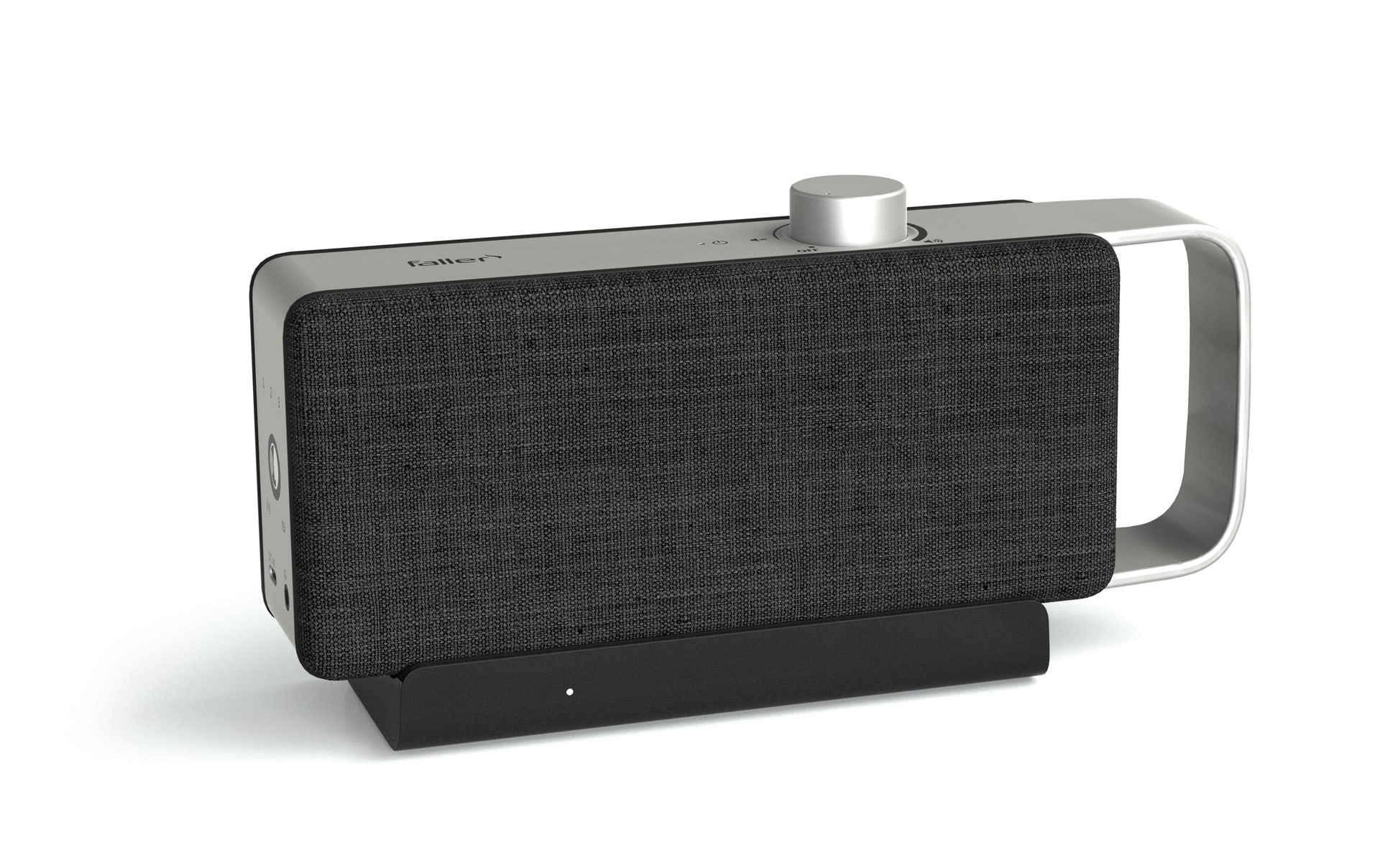
Portable TV voice amplifier
Advertisement
Table of contents
Hearing loss in old age, also known as age-related hearing loss or presbycusis, is one of the most common causes of hearing impairment in older people. This form of hearing loss develops gradually and primarily affects the ability to hear high-pitched sounds, while lower frequencies are often retained. The cause of this is the natural aging of the inner ear and the auditory nerve. With increasing age, the hair cells in the inner ear, which are responsible for perceiving sound, become less functional. This leads to a gradual deterioration in hearing. It is estimated that around one third of people over the age of 65 suffer from age-related hearing loss. The change therefore primarily affects the ear and its ability to process sound waves correctly.
Causes of hearing loss in old age: Why does hearing deteriorate?
Hearing loss in old age has various causes, which can be exacerbated by the natural aging process and external influences. One important factor is the deterioration of the hair cells in the inner ear, which lose their ability to convert sound waves into electrical impulses that are transmitted from the auditory nerve to the brain as we age. The auditory nerve itself can also become damaged over the years, which likewise leads to impaired hearing. This functional impairment occurs particularly in the ear, which is in direct contact with sound waves. Another significant risk factor for hearing loss in old age is long-term exposure to noise, which often occurs over many years. Exposure to noise from loud music, machinery, or environmental noise in the workplace can damage the inner ear and accelerate the aging process of hearing. Medications such as certain antibiotics or painkillers can also lead to premature damage to the hearing. Diseases such as high blood pressure, diabetes, and circulatory disorders also affect hearing, as they impair the blood supply to the inner ear and reduce the functionality of the hair cells.
Symptoms of hearing loss in old age: When should you see a doctor?
The symptoms of hearing loss in old age develop gradually, which is why many affected individuals only notice the changes in their hearing at a late stage. Typical signs include difficulty understanding conversations, especially in noisy environments. It becomes difficult to understand voices, especially those of women and children, as high frequencies become increasingly difficult to perceive. People often turn up the volume on the television or radio to compensate for their hearing loss. If you notice that you have to ask people to repeat themselves more often because you can no longer understand conversations properly, this is a clear sign of hearing loss. It becomes increasingly difficult to follow conversations, especially in social gatherings or at public events. If such symptoms occur, you should not hesitate to consult an ENT doctor to determine the cause of the hearing loss and begin treatment at an early stage.
How is hearing loss diagnosed in older adults?
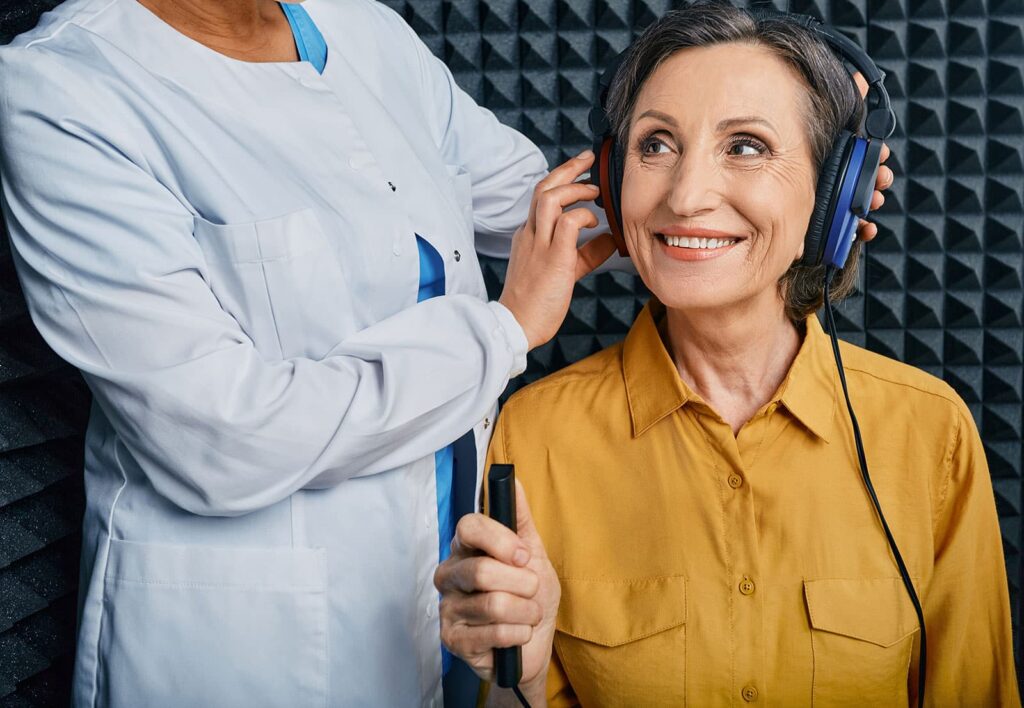
Hearing loss in older people is usually diagnosed using audiometry, in which the patient is asked to listen to different tones at different frequencies. This determines whether their hearing is within the normal range or whether they have hearing loss. Another test, tympanometry, measures the pressure in the middle ear and can provide indications of a disorder of the eardrum or middle ear. An important part of the diagnosis is the medical history, in which the doctor asks the patient about their medical history to determine possible causes of hearing loss. The ENT doctor will then decide whether treatment is necessary and what options are available.
Most common tests for diagnosing hearing loss in older adults:
- Audiometry: Tests hearing ability at different frequencies and volumes.
- Tympanometry: Measures the pressure in the middle ear and can reveal problems with the eardrum.
- Speech audiometry: Tests how well the patient can hear and understand speech at different volumes.
- Otoacoustic emissions: Tests the response of the inner ear to determine whether the hair cells are still functioning correctly.
- These tests help to assess hearing loss and determine the appropriate treatment.
Solutions for hearing loss in old age: hearing aids and cochlear implants
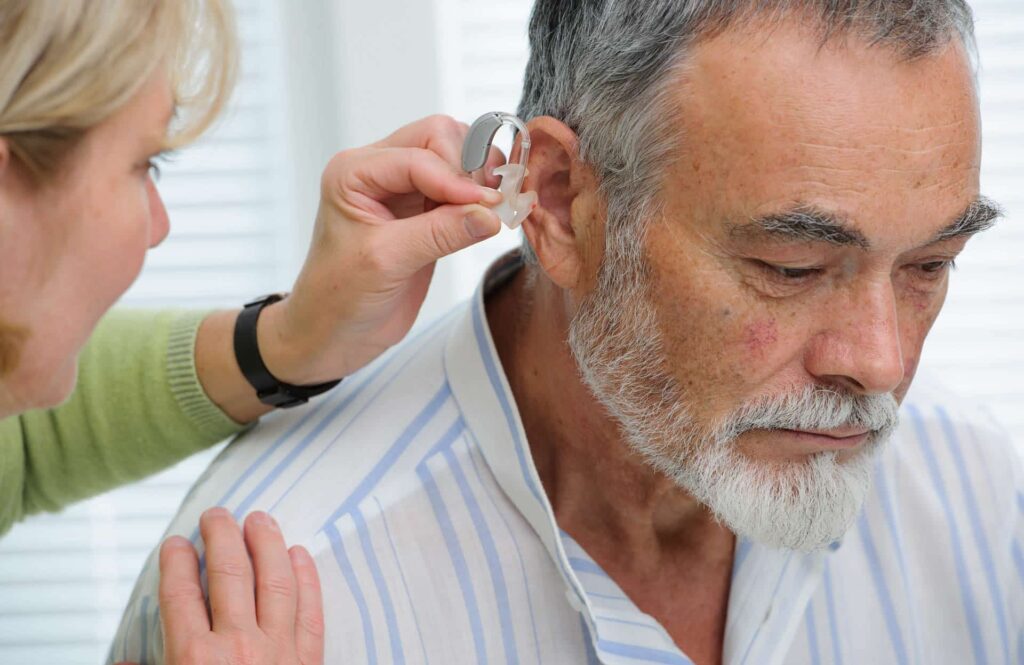
In most cases, hearing loss in old age is treated with hearing aids. These small devices amplify sounds and conversations so that they can be heard clearly and understood again. Modern hearing aids offer a variety of functions, such as connecting to smartphones or televisions, to improve hearing and make everyday life easier. Another aid is cochlear implants, which are an effective solution, especially for severe hearing loss. These implants are inserted directly into the inner ear and stimulate the auditory nerve so that sounds can be perceived again even with severe hearing loss. However, cochlear implants are generally only suitable for people for whom hearing aids are no longer sufficient.
Solutions for improving hearing perception:
Hearing aids not only offer volume adjustment, but also the ability to optimize sound quality depending on the environment. For example, the wearer can switch between different programs to hear better in a quiet environment or to understand speech better in a noisy room. Cochlear implants offer a significant improvement in hearing ability, as they stimulate the auditory nerve directly and no longer require hair cells.
Preventing further hearing loss in old age: What can be done?
Although hearing loss in old age cannot be completely prevented, preventive measures can slow down the process and minimize the progression of hearing loss. The most important measures include:
Noise protection and hearing protection
Protection against noise is one of the most effective methods of preventing hearing loss. It is particularly important to wear earplugs or hearing protection in noisy environments, such as at work or during leisure activities that involve exposure to noise. Long-term exposure to noise can cause significant damage to hearing and accelerate the aging process of the brain. Loud music or machine noise in particular pose a threat to the hair cells in the inner ear. Protection against these noises helps to delay hearing loss.
Regular hearing tests
Regular hearing tests with an ENT specialist help to detect changes in hearing ability at an early stage. The earlier hearing loss is diagnosed, the sooner measures such as the use of hearing aids or other aids can be taken. A hearing test checks different frequencies to determine whether hearing is impaired evenly across all ranges or only at certain frequencies. Regular tests allow the doctor to monitor the condition of the hearing and adjust the appropriate therapies.
Healthy lifestyle
A balanced diet, regular exercise, and a healthy lifestyle contribute significantly to maintaining hearing ability. Blood circulation in the inner ear and auditory nerve is crucial for hearing function. A healthy diet rich in vitamins, minerals, and omega-3 fatty acids supports this blood circulation. Smoking and excessive alcohol consumption should also be avoided, as these can increase blood pressure and impair blood flow to the inner ear, accelerating hearing loss. Paying attention to your lifestyle is not only good for your general health, but also for your hearing.
Social effects of hearing loss in old age
Hearing loss in old age has not only physical but also emotional and social effects. Social isolation is particularly common due to difficulties in understanding conversations. People who suffer from hearing loss in old age often participate less in social activities because they find it difficult to follow conversations. There is also evidence that hearing loss can increase the risk of dementia, as the constant effort to understand conversations puts strain on the brain. Cognitive impairments and memory problems can be exacerbated by poor hearing.
Further articles

Healthy candy alternatives for seniors
For many people, craving sweets is part of everyday life. However, traditional sweets often contain large amounts of sugar and provide

Cooking together in old age
As we get older, our everyday lives change in many ways. The children have left home, our partner may be

Protein-rich nutrition in old age
As we age, our bodies change in many ways, and nutrition plays a crucial role in our health.