HÖRST
Hearing loss symptoms
September 1, 2025
8 minutes reading time

OSKAR
Portable TV voice amplifier
Advertisement
Table of contents
Gradual hearing loss often goes unnoticed for a long time. Those affected become accustomed to the changed hearing conditions and unconsciously adapt their behavior. But this is precisely where the risk lies: if hearing loss is detected too late, it is not only your hearing that suffers, but also your social, psychological, and cognitive well-being. In this guide, you will learn how hearing loss can manifest itself, what the typical symptoms are, and why early diagnosis is so important.
What is hearing loss – and why it often goes unnoticed
Hearing loss refers to a permanent reduction in hearing ability in one or both ears. There are many causes for this: aging (presbycusis), diseases of the middle or inner ear, head injuries, ototoxic medications, or infections. Acute hearing loss can also lead to a sudden and severe reduction in hearing.
The problem is that many forms of hearing loss develop very slowly. Often, those affected do not initially notice that their hearing is deteriorating. They turn up the radio, avoid conversations in noisy environments, or interpret misunderstandings as concentration problems. The longer hearing loss remains untreated, the more difficult it becomes to compensate for it later on.
Typical symptoms of early hearing loss
Common signs are subtle but persistent everyday phenomena. Conversations are perceived as exhausting, especially when there is background noise. Understanding hearing situations in groups or when people speak quietly becomes increasingly difficult. This does not always result in hearing loss. A common but often overlooked problem is discrimination loss. Those affected can perceive all sounds and noises, but have difficulty understanding spoken words.
It is also typical that high frequencies are the first to be perceived less clearly. These include, for example, the doorbell ringing, birds chirping, or children's voices. Often, these sounds are no longer consciously perceived. The feeling that conversation partners are speaking unclearly or "mumbling" is also an early indication of possible hearing loss.
Many affected individuals turn up the volume on the television or only use their "good ear" when talking on the phone. During conversations, they often ask questions or nod in agreement even though they have not understood what has been said. These compensatory strategies enable them to carry on with their daily lives for a while, but in the long term they lead to a loss of natural hearing.
Accompanying symptoms and warning signs
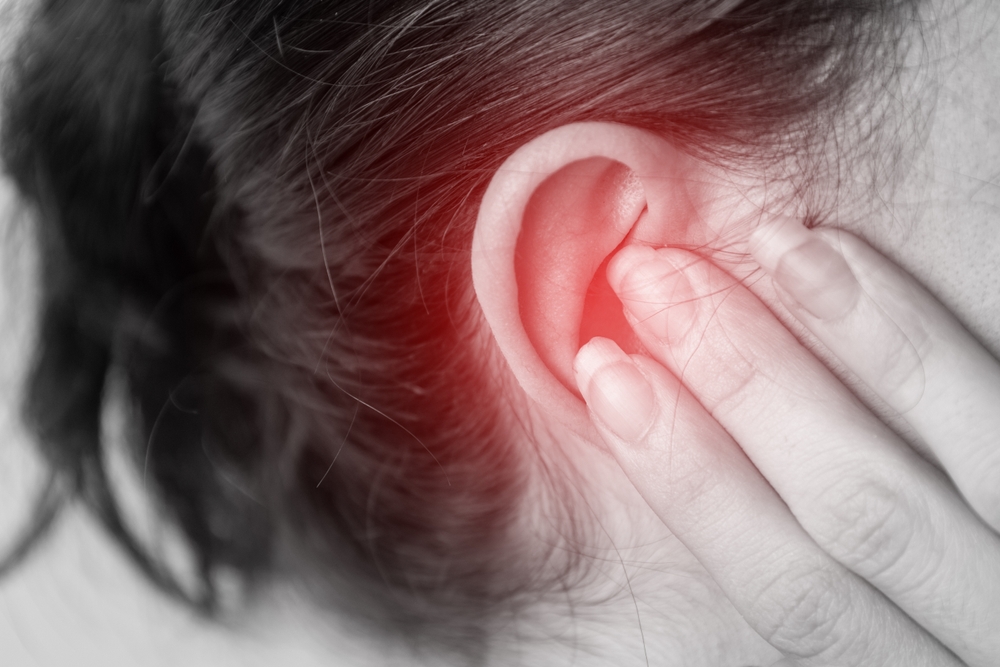
In addition to the actual hearing loss, other symptoms often occur that can provide clues as to the cause or severity. These include:
Tinnitus Whistling
Ringing or buzzing in the ear can occur alongside or independently of hearing loss. Tinnitus is often a sign that the inner ear or neural processing in the brain is impaired.
pressure in the ear
A dull pressure or feeling of a "blocked" ear may indicate a ventilation problem in the middle ear, e.g., in the case of middle ear inflammation or dysfunction of the Eustachian tube.
dizziness
The balance organ in the inner ear is closely connected to the auditory system. Disorders of the inner ear can cause vertigo, unsteadiness when walking, or visual disturbances. In such cases, it is particularly important to seek medical advice.
earache
Inflammation or infection in the ear often leads to pain or pulsing noises. If you experience purulent discharge or fever, you should consult a doctor immediately.
Sudden hearing loss
Sudden, unilateral hearing loss is an emergency. It is usually caused by acute sensorineural hearing loss, which must be treated quickly with cortisone. The earlier treatment begins, the better the chances of success.
Causes of hearing loss – from age to illness
Hearing loss can have many causes. In older age, age-related hearing loss (presbycusis) is particularly common. This involves the gradual death of sensory cells in the inner ear, usually without any identifiable triggers. Genetic factors or general aging processes can also influence this process.
In younger people, noise exposure, inflammation, or injury are often the triggers. These include middle ear infections, acoustic trauma caused by sudden loud noises, or long-term exposure to noise, for example at work or from loud music.
Certain medications can also damage hearing. So-called ototoxic drugs (e.g., some antibiotics, chemotherapeutic agents, diuretics) can cause damage to the inner ear in susceptible individuals. Close consultation with the treating physician is necessary in such cases.
Other causes include viral infections (e.g., mumps, measles, COVID-19), circulatory disorders in the inner ear (e.g., ear infarction), or brain disorders that interfere with stimulus processing. Head injuries involving the skull or pressure changes, e.g., during diving or flying, can also lead to hearing loss.
Risk groups and special cases
children
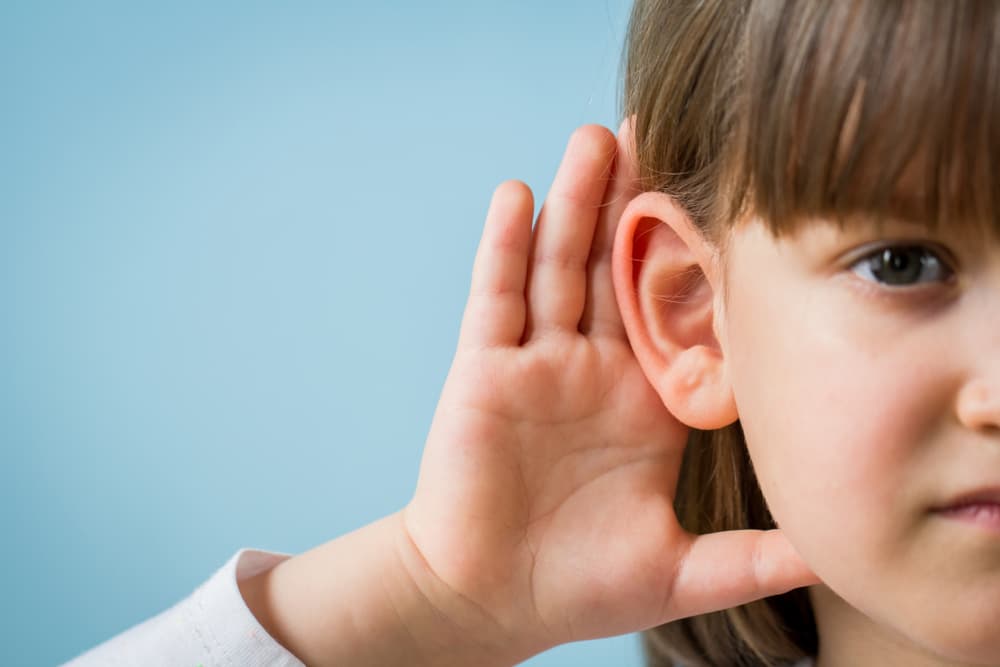
Hearing loss is particularly critical in children, as hearing plays a central role in language development. Frequent middle ear infections, fluid in the middle ear, or congenital hearing problems should be detected and treated early on. Symptoms can include slurred speech, lack of response when spoken to, or watching television at unusually high volumes.
senior citizens
Gradual age-related hearing loss is widespread among older people. It leads to poorer speech comprehension, especially in social situations or when there is background noise. Many of those affected delay visiting an ENT doctor, even though modern hearing aids are now discreet and powerful.
hearing aid wearer
If you already use a hearing aid, you should watch out for sudden changes. A deterioration in hearing despite using a hearing aid may indicate a technical problem or a medical cause. Regular hearing tests are also important here.
tinnitus patients
Tinnitus is not the same as hearing loss, but it often occurs alongside it. Anyone suffering from ringing in the ears should have their hearing tested by a professional to rule out possible damage to the inner ear.
When to see a doctor? – Typical signs that further investigation is necessary
If you experience the following symptoms, you should see a doctor promptly:
- Unilateral or bilateral hearing loss
- Sudden hearing loss (sudden sensorineural hearing loss)
- Persistent tinnitus or new noises in the ear
- Dizziness or balance problems
- Persistent pressure or pain in the ear
- Abnormalities when listening to conversations or in crowds
The first point of contact is usually an ENT doctor. In many cases, a hearing care professional can also provide an initial assessment and recommend a visit to the doctor. Especially in the case of sudden symptoms, you should not hesitate, as early treatment can be crucial for the success of the therapy.
This is how diagnostics for hearing problems work
The assessment begins with a detailed consultation (medical history), during which questions are asked about symptoms, accompanying symptoms, medication use, and family history of hearing problems. This is followed by a hearing test, usually consisting of pure tone audiometry and speech audiometry.
For further clarification, tympanometry (middle ear function), otoacoustic emissions (inner ear), and imaging techniques such as computed tomography or magnetic resonance imaging may be used. Laboratory diagnostics are also possible if infection is suspected.
The doctor then makes an informed diagnosis and recommends further steps: medical therapy, hearing aids, observation, or referral to a specialist.

What to do if you are diagnosed with hearing loss?
Treatment depends on the cause and severity. Antibiotics or cortisone-containing medications are used to treat infections, for example. Cortisone is usually administered for inner ear problems such as sudden hearing loss in order to reduce inflammation.
In cases of permanent hearing loss, hearing aids are provided. Modern devices are powerful, discreet, and individually adjustable. In addition, hearing training can be useful to improve speech comprehension in a targeted manner. In complex cases, ENT specialists, audiologists, neurologists, and family doctors work together to find a solution.
Lifestyle also plays a role: avoiding noise, maintaining healthy blood pressure, using medication wisely, and regular check-ups help to preserve hearing in the long term.
Recognizing hearing loss symptoms – the self-experiment
In today's fast-paced world, we are often surrounded by a flood of different noises. It is easy to overlook the subtle signs of incipient hearing loss. Hearing loss is a widespread problem that can affect people of all ages. It is important to recognize the symptoms early on so that appropriate measures can be taken in good time. Test yourself—these simple everyday situations provide initial clues:
1. Silence test
Find a quiet room without any background noise. Close your eyes and listen to the soft sounds around you. Can you hear birds chirping, a clock ticking, or other subtle noises?
2. Telephone test
Have a conversation on the phone, preferably in a quiet environment. Can you follow the conversation easily, or do you have to ask for repetition frequently?
3. Conversation test
Have a conversation in a noisy environment, such as a restaurant or café. Do you have difficulty following the conversation, or can you understand the words clearly?
4. Television test
Watch television as you normally would. Ask a friend or family member to stand in another room and assess the volume. If the volume is clearly too loud for others, this may be an indication of early hearing loss.
Further articles

Healthy candy alternatives for seniors
For many people, craving sweets is part of everyday life. However, traditional sweets often contain large amounts of sugar and provide

Cooking together in old age
As we get older, our everyday lives change in many ways. The children have left home, our partner may be

Protein-rich nutrition in old age
As we age, our bodies change in many ways, and nutrition plays a crucial role in our health.