HÖRST
Hearing loss after middle ear infection
August 8, 2025
7 minutes reading time

OSKAR
Portable TV voice amplifier
Advertisement
Table of contents
Acute middle ear infection is one of the most common illnesses in children and infants. However, it can occur at any age. In addition to typical symptoms such asearacheor a feeling of pressure, it can causehearing lossin the worst cases. Hearing loss after middle ear infection can be temporary if the infection is treated promptly and effectively. However, in some cases, it can also be permanent and have long-term effects on hearing ability. Learn more about this topic in our article.
What is a middle ear infection?
A middle ear infection, also known in medicine as otitis media, is an inflammation of the middle ear. It can be very painful and usually occurs suddenly. Temporary hearing loss may also occur.
In most cases, this pain disappears quickly on its own, but middle ear infections can also become chronic and lead to permanent hearing loss. However, chronic middle ear infections can also develop gradually, without pain and with only mild symptoms. For this reason, it is important to recognize the causes and symptoms in order to avoid more serious consequences such as hearing loss after a middle ear infection.
Causes of hearing loss after middle ear infection
A middle ear infection can be caused by various bacteria and viruses. The most common causes include colds and allergies, for example.
The infection can cause fluid to accumulate in the ear, specifically in the middle ear, which can be purulent in the case of bacterial infections. Since the fluid impedes the vibrations of the eardrum and the ossicles in the ear, it can lead to temporary hearing impairment or hearing loss after middle ear inflammation.
If too much fluid or pus accumulates in the middle ear, this can result in a perforated eardrum. The membrane is broken and sound is no longer transmitted effectively to the inner ear. Middle ear inflammation can also damage the ossicles. If this happens, sound waves can no longer be transmitted properly.
In severe cases, middle ear infections can damage the auditory nerve, which is responsible for transmitting sound signals from the inner ear to the brain. Damage to this nerve can lead to permanent hearing loss. Therefore, you should always consult a doctor if you have ear pain, who may prescribe antibiotics if necessary.
Recognizing symptoms of middle ear infection:
An ear infection can cause a variety of symptoms, ranging from mild discomfort to severe pain. Typical signs include:
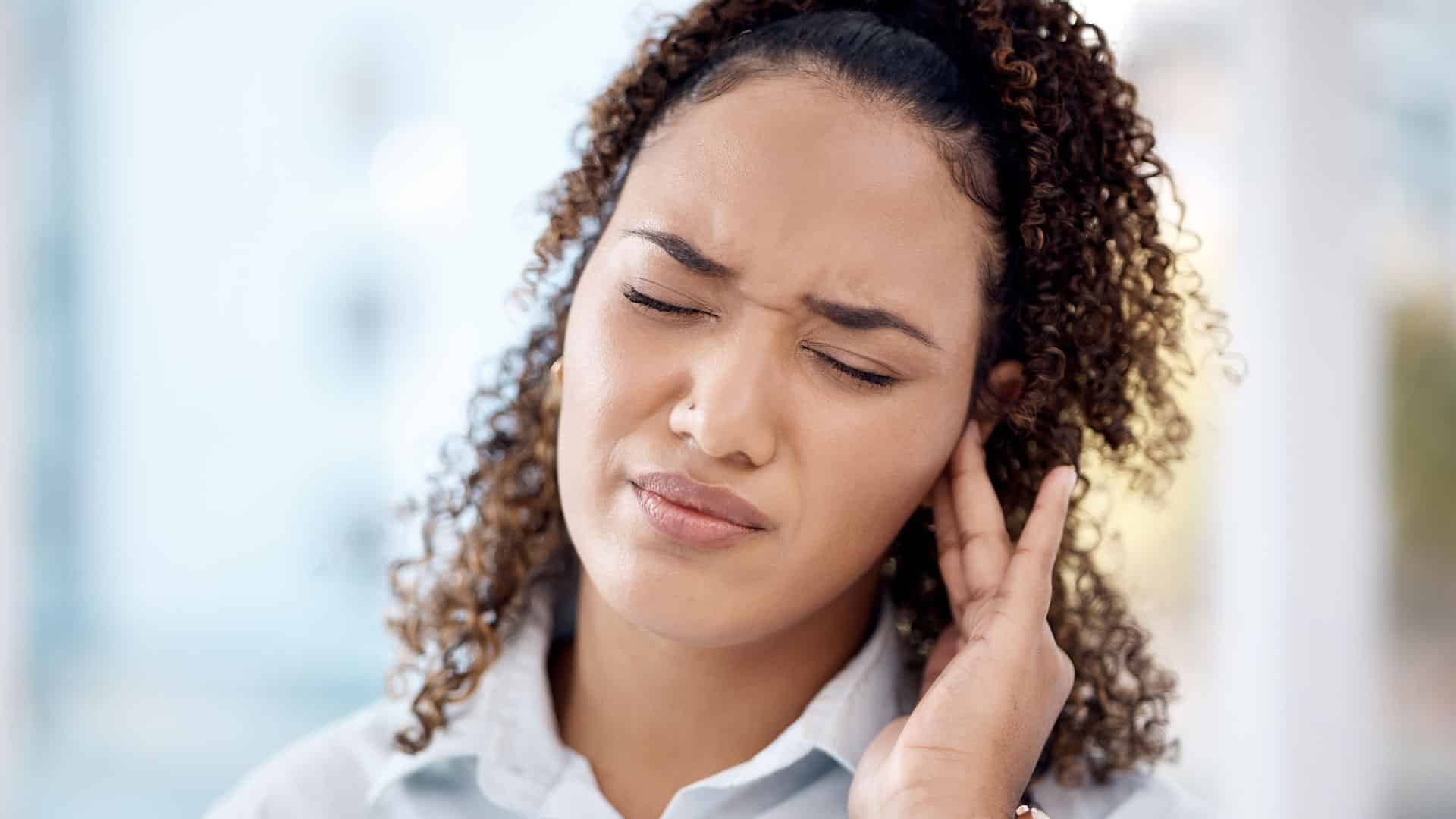
Pressure in the ear
Fluid in the ear can cause a feeling of pressure.
Earache
They usually occur suddenly and can worsen in different situations, for example when lying down or sneezing.
Hearing problems or hearing loss
Hearing problems or temporary hearing loss often occur after a middle ear infection.
fluid leakage If the inflammation causes a hole in the eardrum, fluid may leak from the ear. This fluid may be clear, yellowish, or even bloody.
When the body fights an infection, it often reacts with fever—even in the case of a middle ear infection.
Irritability and discomfort
These symptoms occur as a result of middle ear infections, especially in children. Nausea, diarrhea, and sleep problems are also typical symptoms in children and infants.
If you notice one or more of these symptoms in yourself or your children, it is advisable to consult a doctor to avoid more serious consequences such as fluid in the middle ear or hearing loss after middle ear infection.
Diagnosis of hearing loss following middle ear infection
To find out whether the symptoms are due to hearing loss caused by a middle ear infection, it is necessary to see an ear, nose, and throat doctor. After asking you some questions about your symptoms, they will be able to make a diagnosis using various tests. To do this, they will look into your ear using an otoscope, a special ear mirror for examining the external ear canal and eardrum. The ENT specialist will use various hearing tests to identify any hearing problems or temporary hearing loss.
Based on these examinations and hearing tests, the ENT specialist can determine the appropriate treatment options, such as medication or ear tubes (tympanostomy tubes).
What now? Treatment options for hearing loss after middle ear infection
As with most illnesses or ailments, the same applies to middle ear infections: take it easy! Especially if you experience hearing loss after a middle ear infection, it is important to give yourself a rest—in the truest sense of the word.
Your ENT doctor will determine further treatment. For example, they may prescribe medication such as antibiotics to alleviate your symptoms and promote healing. Although the symptoms often disappear after a few days, this process can take a few weeks. Regular medical check-ups and further examinations if the symptoms worsen are important to ensure that the infection clears up completely and no complications arise.
Home remedies for earaches
It is important to note that severe or persistent ear pain should always be treated by a doctor.
In addition to treatment by a doctor, there are some home remedies that can help relieve ear problems:
Heat:
Placing a hot water bottle or warm cloth on the painful ear can have a soothing effect.
Ear oil drops:
Some people find relief when they use warm ear oil drops.
Onion:
A sliced onion or onion bag placed near the ear can have an anti-inflammatory effect and relieve pain.
Nasal irrigation:
Nasal irrigation with a saline solution can help clear the sinuses and reduce pressure in the ear caused by a blocked nose.
Inhalation:
Inhaling steam from a bowl of hot water, possibly enriched with essential oils, can help relieve ear discomfort by opening the sinuses and reducing pressure in the ear.
It is important to emphasize that these home remedies only provide temporary relief from symptoms and are not a treatment for the infection itself.

Prevention of hearing loss after middle ear infection
Prevention is better than cure. Certain measures can help reduce the risk of recurrent middle ear infections. These include, for example, taking care of yourself when you have a cold, avoiding allergy-triggering substances and moisture, which can promote the growth of bacteria. A healthy lifestyle, including a balanced diet, adequate hydration, and regular exercise, can strengthen the immune system and help reduce the risk of infection.
In addition, wearing hearing protection during activities such as listening to loud music or working in noisy environments that can damage your hearing can reduce the risk of hearing loss.
It is important to pay attention to your hearing health and consult a doctor immediately if you have any concerns or symptoms of hearing loss.
Living with hearing loss
Even if you have been diagnosed with permanent hearing loss or hearing impairment, there are a few things that can help you cope with everyday life and improve your quality of life. These include:
Hearing aids or cochlear implants:
If permanent hearing loss has been diagnosed,hearing aidsor cochlear implants can help improve hearing and facilitate communication.
An audiologist can help you optimize your remaining hearing ability and develop strategies to better cope with hearing problems.Hearing trainingcan also help improve your ability to understand speech.
Lip reading and sign language:
Learning lip reading and sign language can help improve understanding during conversations.
Assistive technologies:
There are a variety of assistive devices available for people with hearing loss, including telephone amplifiers, vibrating alarm clocks,TV hearing amplifiers, and technologies for accessible television viewing.
Psychological support:
Hearing loss can be emotionally stressful. Psychological counseling or support groups can help you cope with the challenges and strengthen your mental health.
Communication training for family and friends:
Support from family and friends is important. Communication training can help develop effective communication strategies and avoid misunderstandings.
Further articles

Healthy candy alternatives for seniors
For many people, craving sweets is part of everyday life. However, traditional sweets often contain large amounts of sugar and provide

Cooking together in old age
As we get older, our everyday lives change in many ways. The children have left home, our partner may be

Protein-rich nutrition in old age
As we age, our bodies change in many ways, and nutrition plays a crucial role in our health.