HÖRST
Accessible television
August 8, 2025
4 minutes reading time

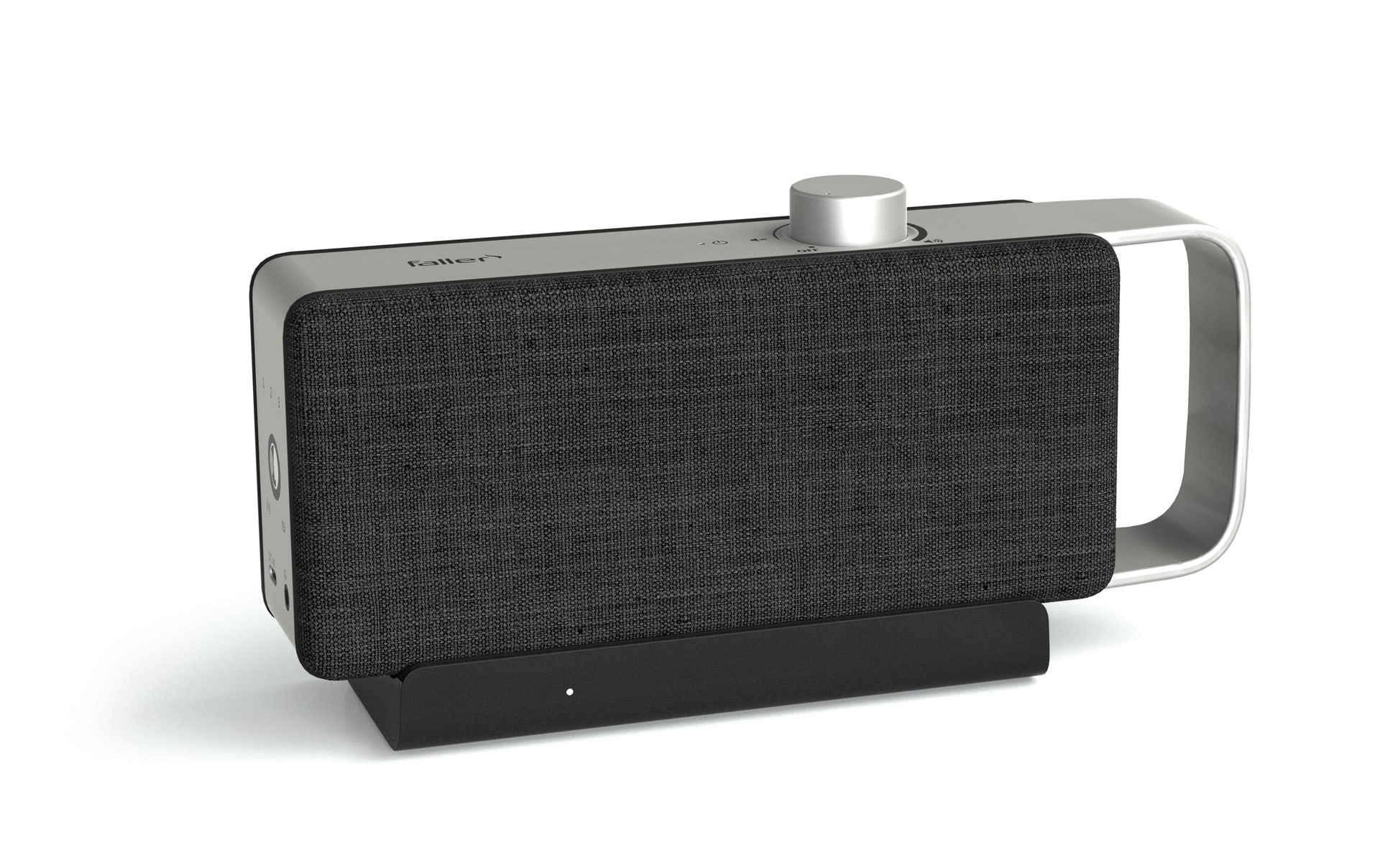
OSKAR
Portable TV voice amplifier
Advertisement
Table of contents
Accessibility does not just mean removing obstacles, bridging stairs with ramps for wheelchair users, or installing elevators in public buildings for people with limited mobility.
Instead, it enables an environment that is accessible to all people, regardless of their physical, sensory, or cognitive abilities.
This applies to the physical accessibility of rooms, buildings, and transportation, services, and leisure activities, as well as to the accessibility of information, for example, in the digital space, on the internet, or on television.
The following section explains the difficulties that arise in this area and the solutions and tools that are available.
What is digitalaccessibility?
The important issue of accessibility is thus becoming increasingly prevalent in the digital world today. Digital content, platforms, and technologies are increasingly being designed in such a way that people with different physical conditions or individual abilities can use them equally. Limitations such as visual or hearing impairments, motor or cognitive impairments should not be a barrier to full access to digital resources in the future. To this end, they should be easy to navigate, use, and understand.
In this context, accessible internet and accessible television, for example, are becoming increasingly important.
The most important approaches to making these areas barrier-free include measures such as
- the use of clear and simple language,
- alternative texts for images, for example for blind people and people with visual impairments
- Subtitlesfor people with hearing impairments
- Keyboard access for people with motor impairments
- Adjustment of color schemes for people with visual impairments
- various assistive technologies or aids
Accessible television: problems and solutions
Accessible television means that people with different circumstances and needs have the same opportunities to experience and understand television content. People with visual or hearing impairments in particular often face special challenges in this regard, for example:
- Difficulty understanding speech: Speech and dialogue are often not clearly understood, for example due to loud background noise or music.
- Missing, incorrect, or incomplete subtitles mean that people with hearing impairments miss out on relevant information.
- Especially during live broadcasts, missing or delayed subtitles can cause problems for the hard of hearing, making it difficult for them to understand what is being said and leading to frustration.
- Even particularly quiet sounds are often inaudible to people with hearing loss, resulting in important information or contextual connections being lost.
- Due to missing or poor audio descriptions, blind or visually impaired people cannot understand or enjoy the visual events as much.
However,there are already many different technologies andaids availabletoday that are designed to support accessible television.
Accessible program offerings and technologies
Many television stations, such as the public broadcasters ARD, ZDF, and NDR, already offer accessible programming. A few years ago, the ARD public media network launched the "Barrierefreier Rundfunk" (Accessible Broadcasting) project, which aims to support people with sensory impairments and people who understand little or no German, among others.
Other broadcasters, media libraries, streaming platforms, and the like are also making their programs and broadcasts increasingly accessible, for example with subtitles, sign language translations, or special "clear language" settingsfor people with hearing impairments, as well as audio descriptions for people with visual impairments.
Assistive devices for people with sensory impairments
There are also a number of aids available that can improve the television viewing experience for people with visual or hearing impairments. These include special accessible televisions: televisions with screen magnification or "talking" televisions that make it easier to watch television and operate the TV set thanks to voice output, for example for channel or time announcements.
For people with hearing difficulties, there are hearing aids with special settings for television, TV headphones, or chin-rest headphones, as well asTV sound amplifierssuch as the OSKAR from faller audio, which reduces background noise thanks to special speech optimization, making speech on TV clear and easy to understand again.
Here are a few tips on how toimproveyourTV sound.
Conclusion: Accessible television is an important step forward.
Promoting accessibility in the digital world is an important step toward an inclusive society. By providing captions, audio descriptions, and other accessible options, people with visual or hearing impairments are given the opportunity to access the same information and enjoy the same entertainment as everyone else.
Further articles

Healthy candy alternatives for seniors
For many people, craving sweets is part of everyday life. However, traditional sweets often contain large amounts of sugar and provide

Cooking together in old age
As we get older, our everyday lives change in many ways. The children have left home, our partner may be

Protein-rich nutrition in old age
As we age, our bodies change in many ways, and nutrition plays a crucial role in our health.