HÖRST
Itchy ears: causes, remedies, and useful information
July 30, 2025
5 minutes reading time
OSKAR
Portable TV voice amplifier
Advertisement
Table of contents
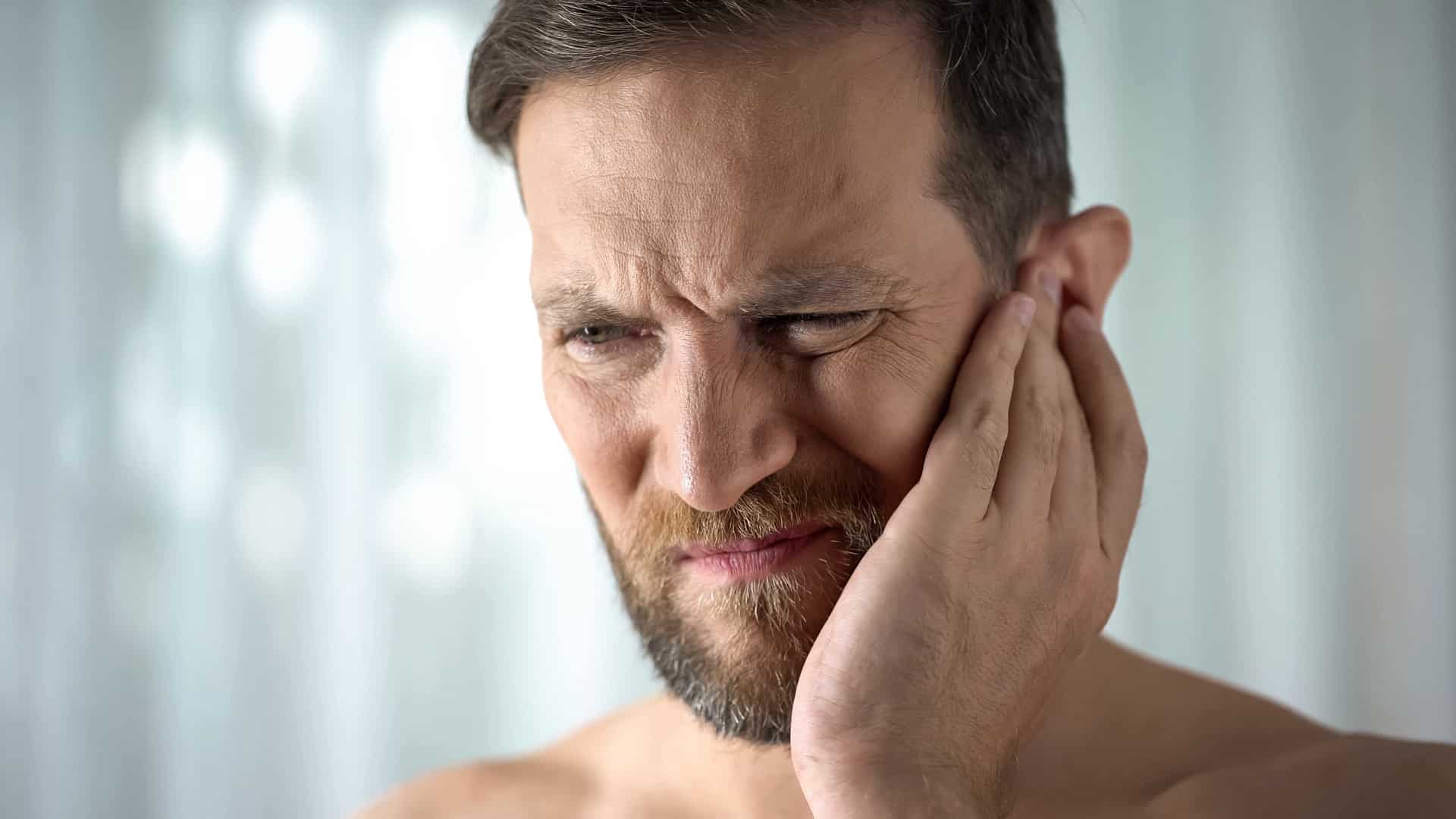
A person whoseearsitch is proverbially a particularly curious person. But what does it really mean when your ears itch? What causes or illnesses can be associated with itchy ears? And above all: how can you get rid of the itching as quickly and easily as possible? We reveal all to curious readers in our article.
Why does my ear itch?
An itchy ear or itchy ears can have many different causes.
External itching is often caused byskin conditions such as neurodermatitis and psoriasis, which typically include itching as one of their symptoms, and which can also affect the ears.Allergiesare alsoacommon cause, for example, if the person affected is allergic to certain care products such as shampoos or creams, or to certain materials and substances used to make earrings, such as nickel. In addition, a fungal infection of the ear canal can also trigger itchy ears.
The causes of itching in the inner ear or ear canal include infections and ear diseases such as ear canal inflammation ormiddle ear infection.
Intense itching is one of the most common symptoms ofear canal inflammation(otitis externa), along with pain and discharge from the ear. Withmiddle ear infection (otitis media), which often occurs in children, itching in the ear is also often noticed first, before a feeling of pressure or earache develops. In both cases, it is essential to monitor the symptoms closely and, ideally, seek medical advice.
However, the causes of an itchy ear are not always medical in nature.External influences are oftenthe cause. These include, for example:
- Earwax:Earwax servesto transport viruses and bacteria out of the ear, thereby cleaning our ears. If there is too little earwax in the ear, this can cause itching. Even a small piece of earwax stuck somewhere in the ear canal can cause itching.
- Earplugs:Wearing earplugs, in-ear headphones, orhearing protectioncan cause slight irritation of the ear canal. This can lead to a tickling sensation in the ear, especially in more sensitive individuals.
- Water in the ear: Watercan easily get into the ear when swimming, showering, or bathing. Those affected usually first notice a tickling or itching sensation, pressure on the ear, or hearing loss.
- Foreign objects in the ear:Foreign objects in the ear can alsocause itching. Even a speck of dust or a hair is enough to cause an unpleasant tickling sensation.
- Irritation of the ear canal:If the ear canal is irritated, this often manifests itself as itching. Reasons for irritation of the ear canal can include earplugs or cleaning with cotton swabs.

What can you do about itchy ears?
As a general rule, if you notice itching in your ear, you should not immediately start scratching it. This can further irritate the ear, inner ear, or ear canal, worsening the symptoms or even leading to injuries, for example to the eardrum. For this reason, you should never use cotton swabs or other objects.
Instead, you should proceed with caution to relieve the itching in your ears. We will tell you how in the following.
clean your ears
It sounds so simple, but it takes practice. Ideally, ears should be washed rather than simply cleaned with a cotton swab. Depending on whether the outside or inside of the ear is itchy, you can wash it with a damp washcloth. However, the best wayto care fortheear canalis to leave it alone. The ear cleans itself when earwax transports dirt and foreign bodies out of the ear. Special ear drops can also be used for care.
Light pressure instead of scratching
When their ears itch, most people tend to scratch them with their fingers or poke around in them with cotton swabs. However, you should avoid doing this at all costs so as not to irritate them further. Instead, you can gently apply pressure to the outer ear or ear canal and massage the affected area to relieve the itching. Make sure your fingers are clean when doing this.
Keep your ears dry
Dry your ears thoroughly after bathing and showering. This will help prevent water from getting into your ears and causing itching.
Avoid irritants
Avoid all substances that could cause an allergic reaction. These include certain shampoos, hair care products, and creams. If you are unsure, consult a doctor, pharmacist, or dermatologist.
Itchy ears and mental health
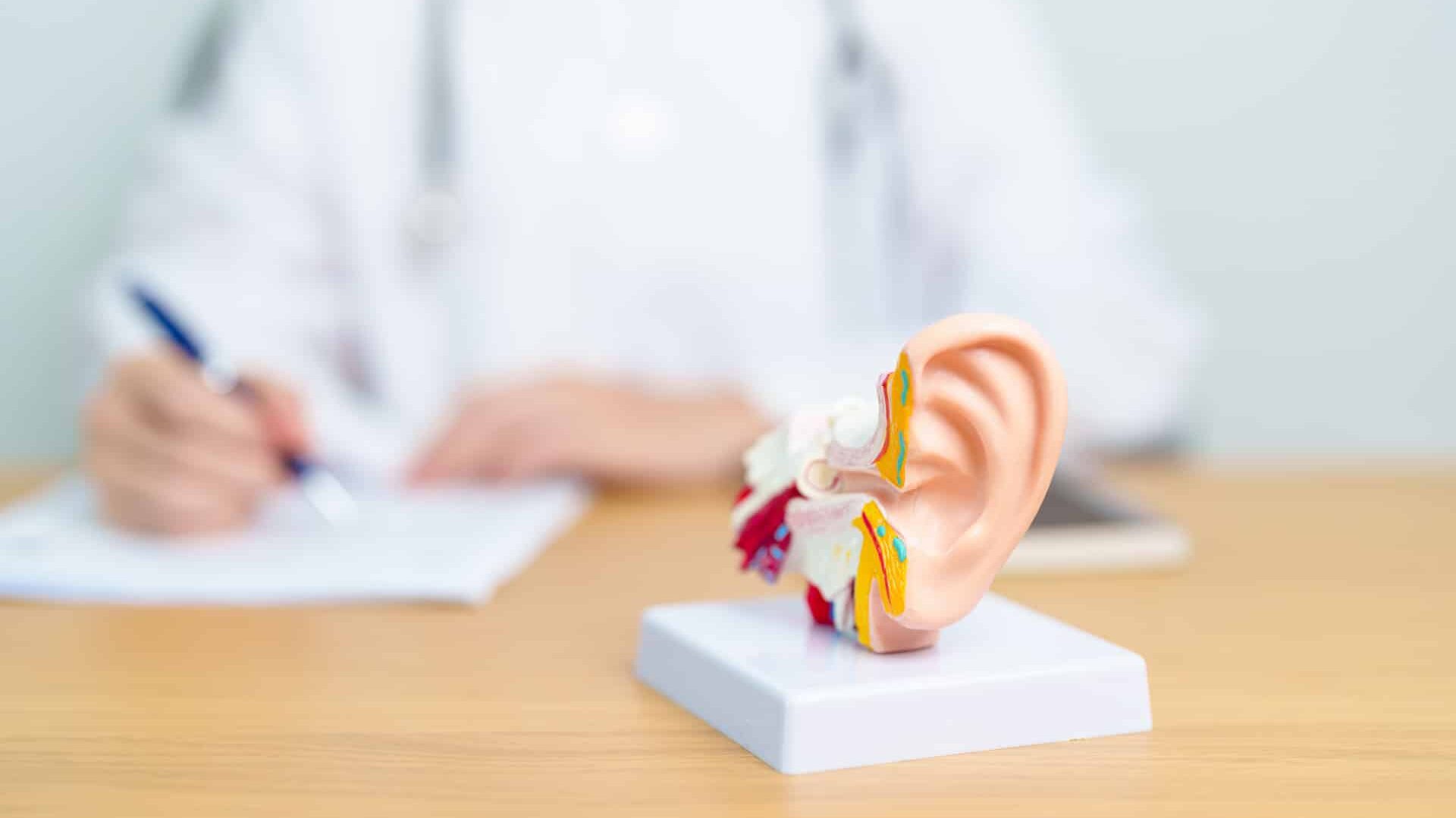
The reason for an itchy ear is not always physical. Psychological problems and severe stress can also cause symptoms such as itchy ears.
The symptoms cannot usually be treated using the methods mentioned above. Instead, prevention is particularly important: less work, relaxation exercises, sufficient sleep, a healthy lifestyle, and plenty of exercise can help to reduce stress levels and thus also reduce the symptoms.
Itching in the ear: When should you see a doctor?
An itchy ear is no cause for concern. Often, the itching is only temporary and the reasons are harmless.
However, if the itching does not improve after a short time or gets worse, or if you experience ear pain or other symptoms such as dizziness or fever, you should always consult an ENT doctor to identify the causes, injuries, and infections and to clarify treatment options.
If a skin condition or allergic reaction appears to be the cause of the itchy ears, a dermatologist may also be the right person to consult. If you are unsure, ask your family doctor for advice.
Further articles

Healthy candy alternatives for seniors
For many people, craving sweets is part of everyday life. However, traditional sweets often contain large amounts of sugar and provide

Cooking together in old age
As we get older, our everyday lives change in many ways. The children have left home, our partner may be

Protein-rich nutrition in old age
As we age, our bodies change in many ways, and nutrition plays a crucial role in our health.