HÖRST
Hearing problems in everyday life
Practical tips and information on hearing problems in everyday life

OSKAR
Portable TV voice amplifier
Advertisement
Hearing loss (7 articles)
View all items in this category
Understanding hearing loss
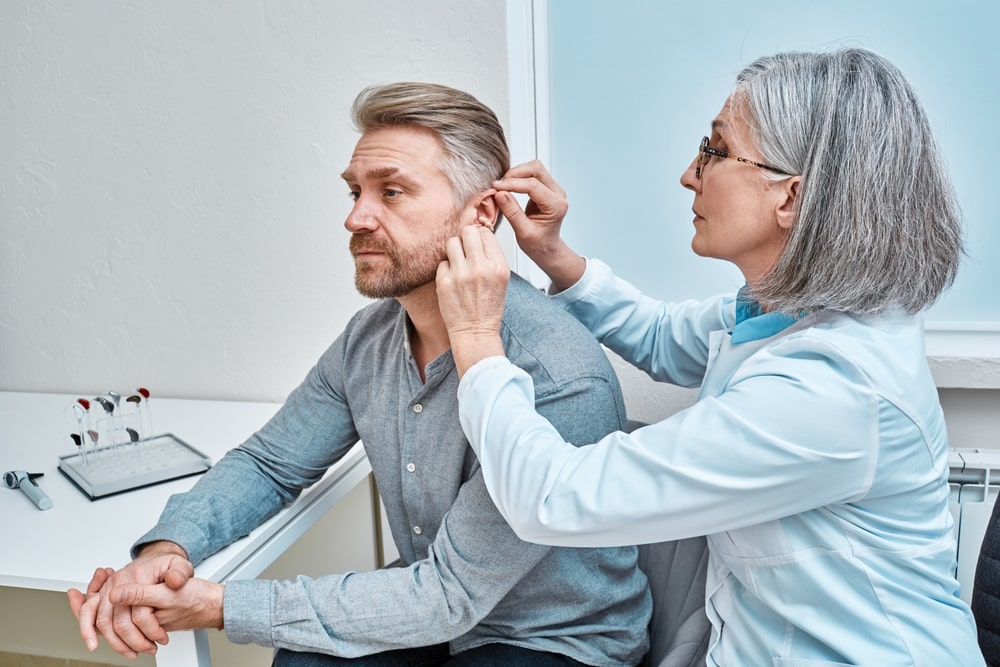
Hearing loss is one of the most common sensory impairments worldwide and affects people of all ages. From mild hearing problems to complete deafness, the various forms and degrees of hearing loss are diverse. This guide provides a clear explanation of the different types of hearing loss, their causes, symptoms, and treatment options, providing those affected and their families with the knowledge they need to make the right decisions.

Autoimmune-related hearing loss
Autoimmune diseases can affect various organ systems in the body—including the sensitive hearing organ. In autoimmune hearing loss, the body's own immune system mistakenly attacks the structures of the inner ear, which can lead to progressive hearing loss. This rare but serious condition is often overlooked or confused with other forms of hearing loss. Early detection and targeted treatment are...

Better hearing
Information and tips for improving your hearing In a world full of noises and sounds, hearing is essential for everyday life. Unfortunately, many people suffer from hearing loss or hearing impairment. In this guide, we provide tips and advice on how you can improve your hearing and enhance your quality of life. The role of the brain in hearing...

Hearing loss and road safety
An underestimated danger When we think about road safety, we often focus on vision. But what about hearing? Hearing impairment and hearing loss can pose significant safety risks for both drivers and pedestrians. Hearing impairment affects many people worldwide and can severely limit the ability to hear sounds and warning signals. When driving, however, it is...
Communication (4 articles)
View all items in this category

Communication with hearing loss
Hearing Loss & Communication Hearing loss affects much more than just the ability to perceive sounds. It can fundamentally change the way people communicate with each other and lead to misunderstandings, social isolation, and emotional distress. This guide highlights the many challenges that arise from communication difficulties associated with hearing loss and offers practical strategies and theoretical approaches to...

Men or women—who hears better?
The question of whether men or women have better hearing has long been a topic of interest to scientists. Research findings show clear gender-specific differences in auditory perception. These differences relate to both basic hearing sensitivity and specialized hearing abilities. While women show advantages in some areas, men score higher in other auditory domains. The causes of these differences are...

Communication with the hearing impaired
Imagine you are in a room full of people, and although everyone is talking, all you can hear are muffled sounds and unclear words. For millions of people with hearing loss or hearing problems, this is everyday life. Effective communication with people who are hard of hearing or deaf is important not only for those affected, but also for their friends, family, and colleagues...

Television in sign language
The topic of accessible television is becoming increasingly important today—and in this context, so is television in sign language. Below, you can find out what options deaf people have for using sign language on television, what services are already available, and how to activate sign language on television. Sign language explained briefly Sign language is a visual, natural language.
Problems (3 articles)
Poor hearing
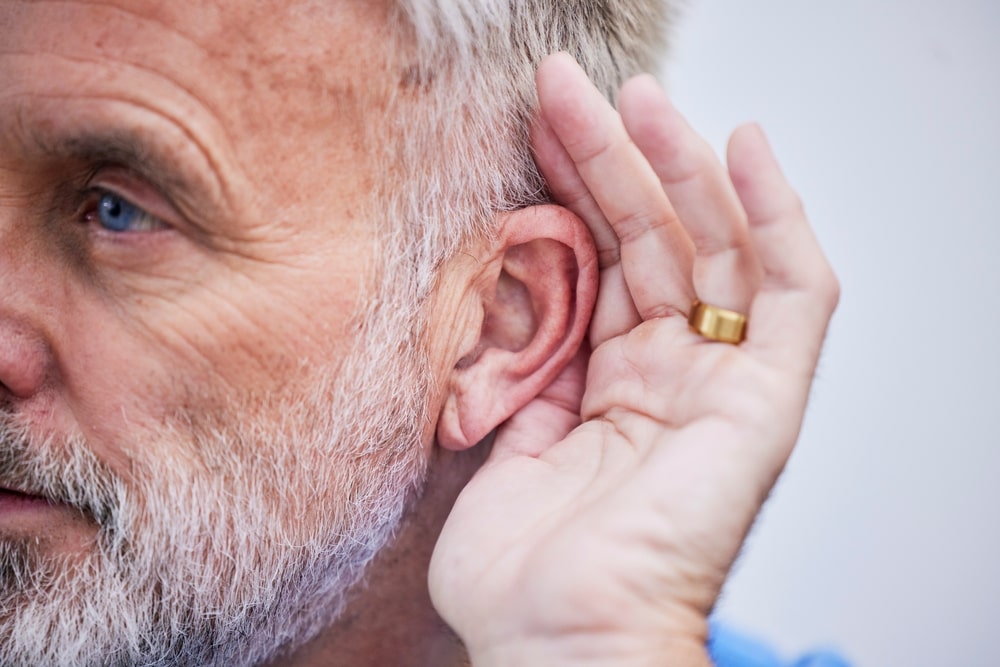
Hearing loss can develop gradually and significantly impair quality of life. Many people do not notice the first signs or attribute them to aging. However, early detection and prompt treatment are crucial to limiting the consequences of hearing loss. This comprehensive guide explains why people have difficulty hearing, what the warning signs are, and what modern...

Background music on the TV too loud
When the music on TV gets too loud and drowns out the dialogue, it's not only annoying, it also detracts from the overall viewing experience. In this article, you'll learn why the volume sometimes gets out of balance, what technical causes are behind it, and how you can solve the problem so you can enjoy your favorite shows and movies without interruption again.

Hearing difficulties with background noise
Hearing problems are widespread. Both the causes and the severity can vary greatly—from difficulty understanding certain frequencies or volumes to hearing impairment or hearing loss. Many people also have hearing problems when there is background noise, meaning they find it difficult to understand conversations or what is being said when there are loud noises in the background.
Social affairs (3 articles)

Hearing loss in everyday life
Millions of people in Germany live with hearing loss and face special challenges every day. From communication problems to social isolation and safety risks, the effects of hearing loss on everyday life are manifold. This guide shows how those affected and their families can successfully overcome these challenges. The most important facts in brief Hearing loss affects around 16 million people...

Senior citizens' television
Television remains one of the favorite pastimes of senior citizens today. But for older people in particular, it is not only their favorite form of entertainment, but also an important part of their daily lives as a source of information. As they get older, senior citizens face increasing challenges, and this also applies to television. What problems do senior citizens have with television, what...

Hearing loss in the family
Tips and support for relatives Hearing loss does not only affect the person suffering from it. Family members, friends, and the entire social circle feel the effects and face the challenge of dealing with this situation. What does it mean when someone in your circle suddenly hears less? How does everyday life change? And how can you, as a relative or...